Most people think the history of computing starts somewhere in the 1940s. A room full of vacuum tubes, a few guys in lab coats, the birth of the modern computer. At least, I did! But there’s an object sitting in a museum in Athens right now that suggests humans have been building computing machines for a lot longer than that.
It’s called the Antikythera mechanism. It was pulled from a shipwreck off the coast of a Greek island in 1901 and for decades nobody really knew what it was. Eventually researchers figured it out. It’s a mechanical computer. Built around 100 BC. It could predict solar eclipses, track the positions of planets, and calculate the dates of the Olympic Games. All with gears and bronze and no electricity whatsoever. I remember being extremely fascinated watching a documentary about this. How could it be possible?
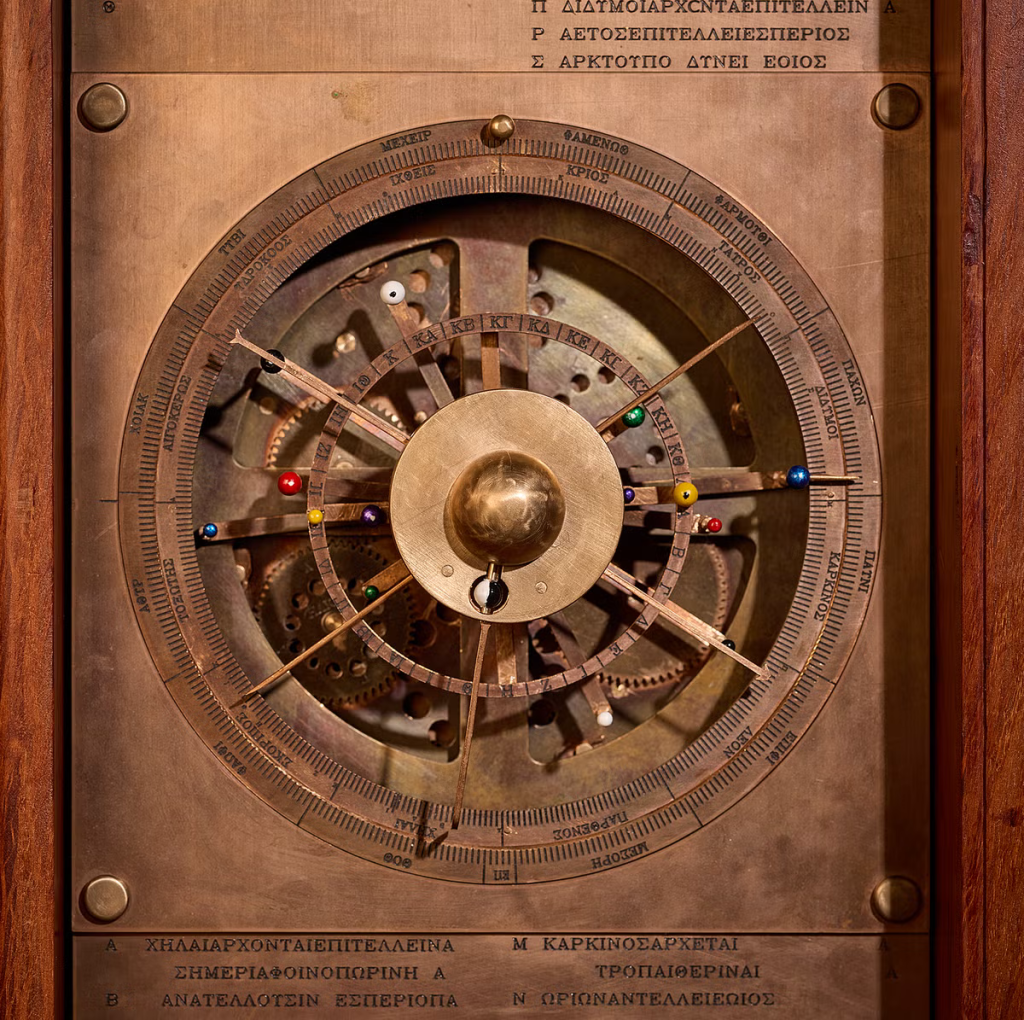
Blows my mind every time I think about it.
What even is a computer?
This is a question worth sitting with. Because if a bronze gear mechanism from ancient Greece can predict astronomical events with decent accuracy, is that so different from what we do today? The inputs go in, the machine processes them according to rules built into its structure, and an output comes out.
That’s all a computer is. A rule following machine. The rules just happen to be written in transistors and binary code now instead of interlocking bronze gears.
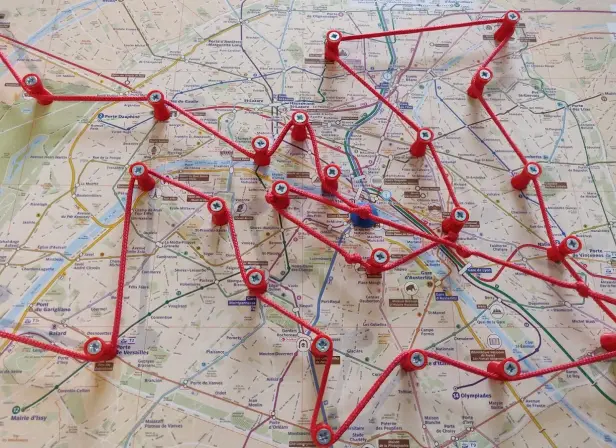
The Traveling Salesman Problem is a good way to see this. The problem is simple to describe. A salesman needs to visit a bunch of cities and return home. What’s the shortest possible route? Sounds easy. But as you add more cities the number of possible routes explodes so fast that even modern computers can’t solve it perfectly for large numbers of cities. They can get close but not exact.
There’s no clean digital solution to every problem. Sometimes the best a computer can do is a very good guess.
Go is another example.
Go is a board game that’s been played in Asia for over 2,500 years. The rules are simple. The strategy is so deep that the best players in the world describe it as closer to art than math. For decades AI couldn’t beat top human players. Chess fell to computers in 1997. Go held out until 2016 when Google’s AlphaGo finally won. I absolutely loved learning about this in class.
The reason Go was so much harder isn’t just the number of possible moves, it’s that the game requires something that looks a lot like intuition. Positional judgment. A feel for the board that humans develop over years of play. AlphaGo didn’t learn the game the way a human does. It played millions of games against itself until patterns emerged that even its creators couldn’t fully explain.
That makes it extremely weird to think about. A machine that learned something its makers don’t completely understand.

The thread from Athens to AlphaGo.
What connects the Antikythera mechanism to AlphaGo to your laptop is the same basic idea. Humans have always wanted to build things that can process information and produce useful outputs faster and more reliably than we can do it in our heads. We’ve been at this for at least 2,000 years.
The tools have gotten unimaginably more powerful. But the impulse is the same one that made some anonymous Greek engineer sit down and figure out how to model the solar system in bronze.
I find that kind of reassuring honestly. We’ve always been builders. We’ve always been trying to extend what our minds can do. The digital revolution isn’t a departure from human history. It’s just the latest chapter.
Grammar checked with Claude (claude-sonnet-4-6, Anthropic, May 2026, claude.ai/chat). Prompt: “Please check the following blog post for any grammar, spelling, and punctuation errors. Do not change the meaning, tone, or structure of the writing. Only fix errors.”
Sources
https://www.w3schools.com/dsa/dsa_ref_traveling_salesman.php
https://www.britannica.com/technology/Antikythera-mechanism
https://www.youtube.com/watch?v=ay6z_vXZzX8
https://www.youtube.com/watch?v=qqlJ50zDgeA
Leave a Reply